



Shift
In industrial safety, vast amounts of data are generated every day.
Incident reports, inspections, and operational records accumulate in different formats across disconnected systems, often treated primarily as a compliance exercise.
As a result, critical safety signals remain buried in isolated datasets.
This fragmentation prevents organisations from understanding how risk actually develops within critical operations — how small signals combine, escalate, and eventually lead to incidents.
Yet the stakes are enormous. Serious injuries, production disruptions, and operational losses cost the manufacturing sector billions each year.
ROAD TO ZERO transforms how industrial safety data is structured and used by turning fragmented operational data into predictive intelligence.
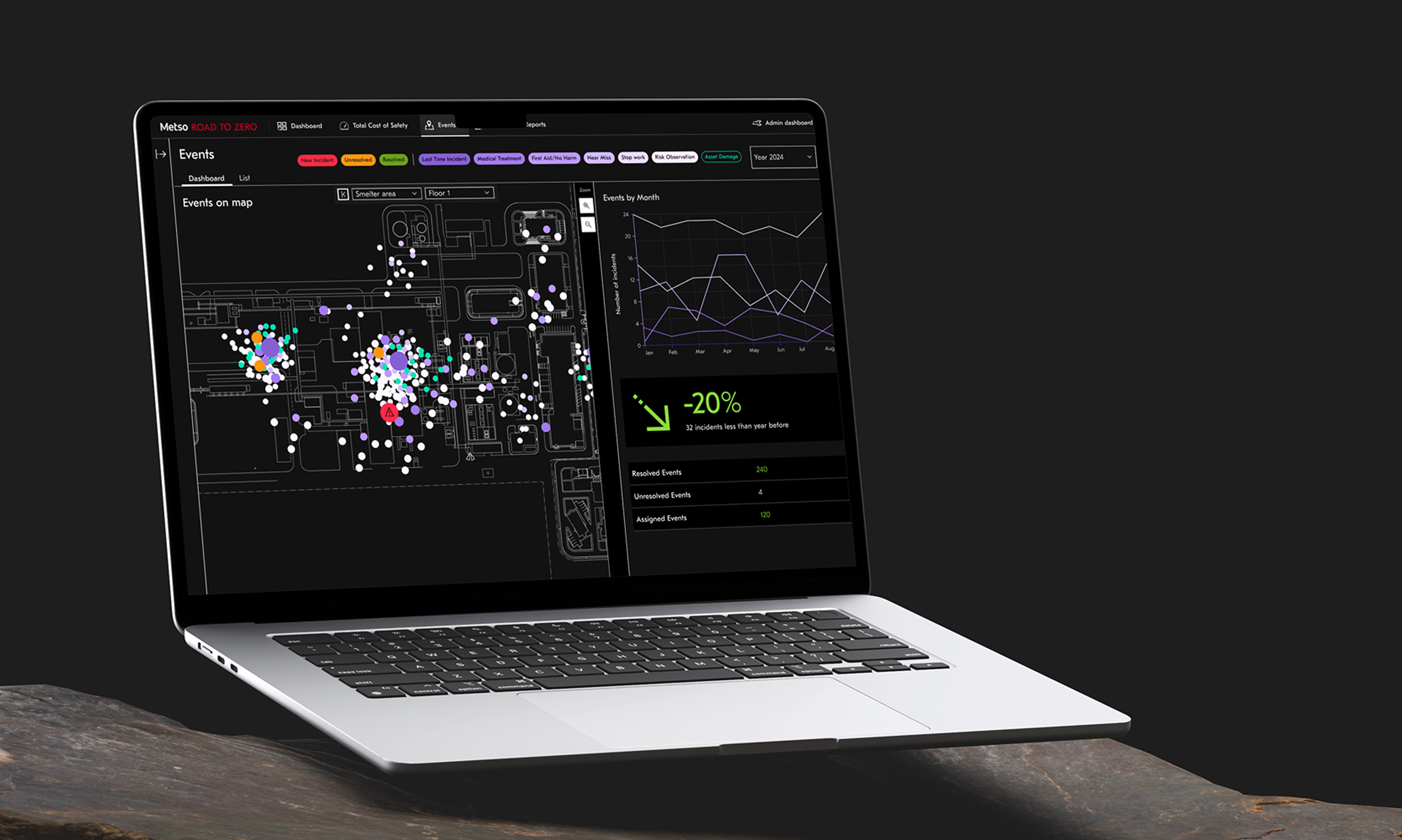
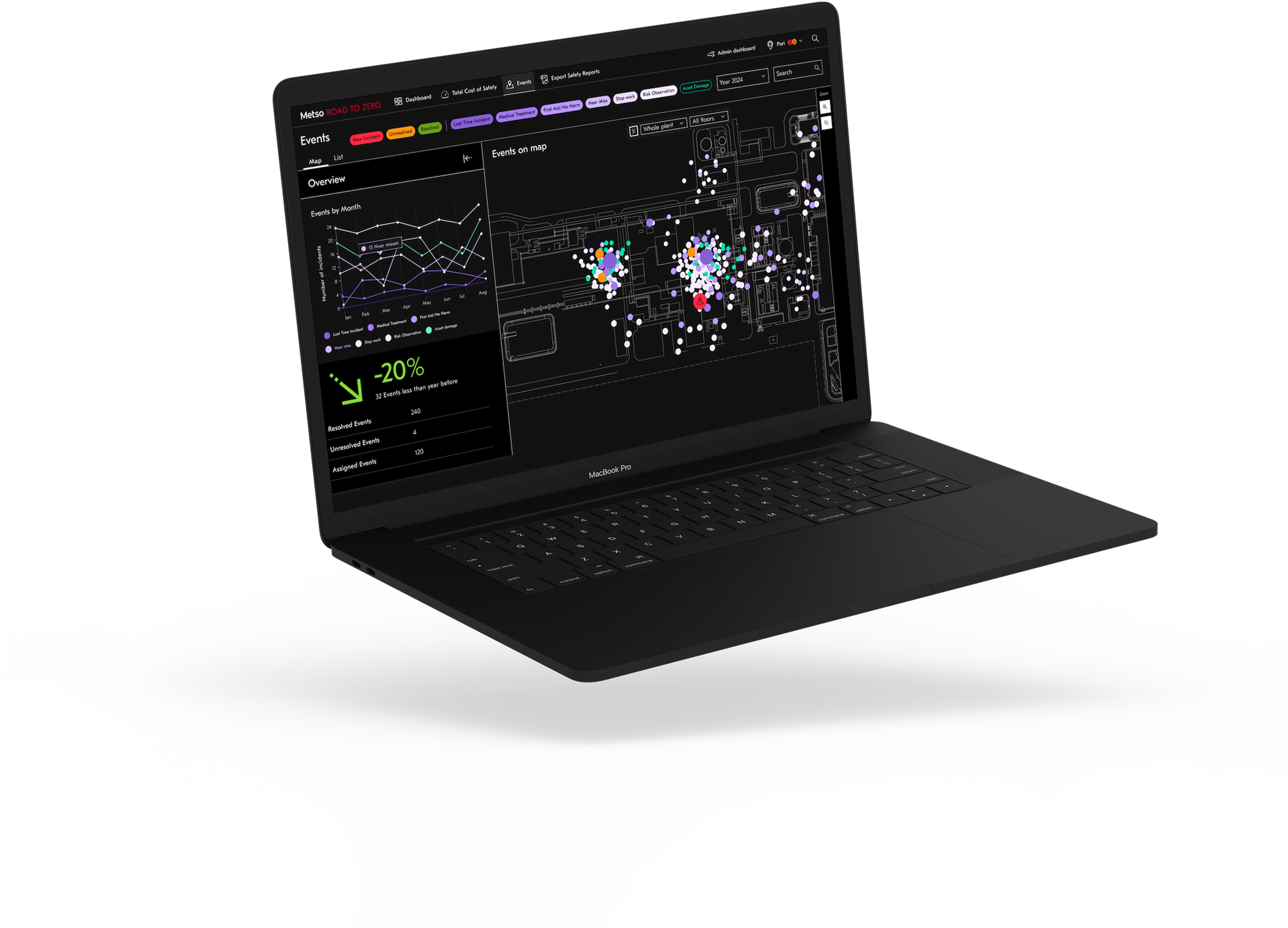
By connecting previously isolated data streams, the ROAD TO ZERO platform creates a continuously evolving view of risk and prevention across operations.
Instead of producing more reports, the system reveals relationships within the data. Patterns, correlations, and emerging risk hotspots become visible, allowing organisations to understand how risk develops over time.
AI-enabled capabilities extend this further through the ROAD TO ZERO Safety Agent, which combines Metso’s industrial expertise with site-specific data to detect patterns, anticipate risk development, and prioritise actions with the greatest human and operational impact.
By quantifying the cost of preventable harm, the platform turns safety data into a decision-making tool, shifting safety from retrospective reporting to proactive risk management.
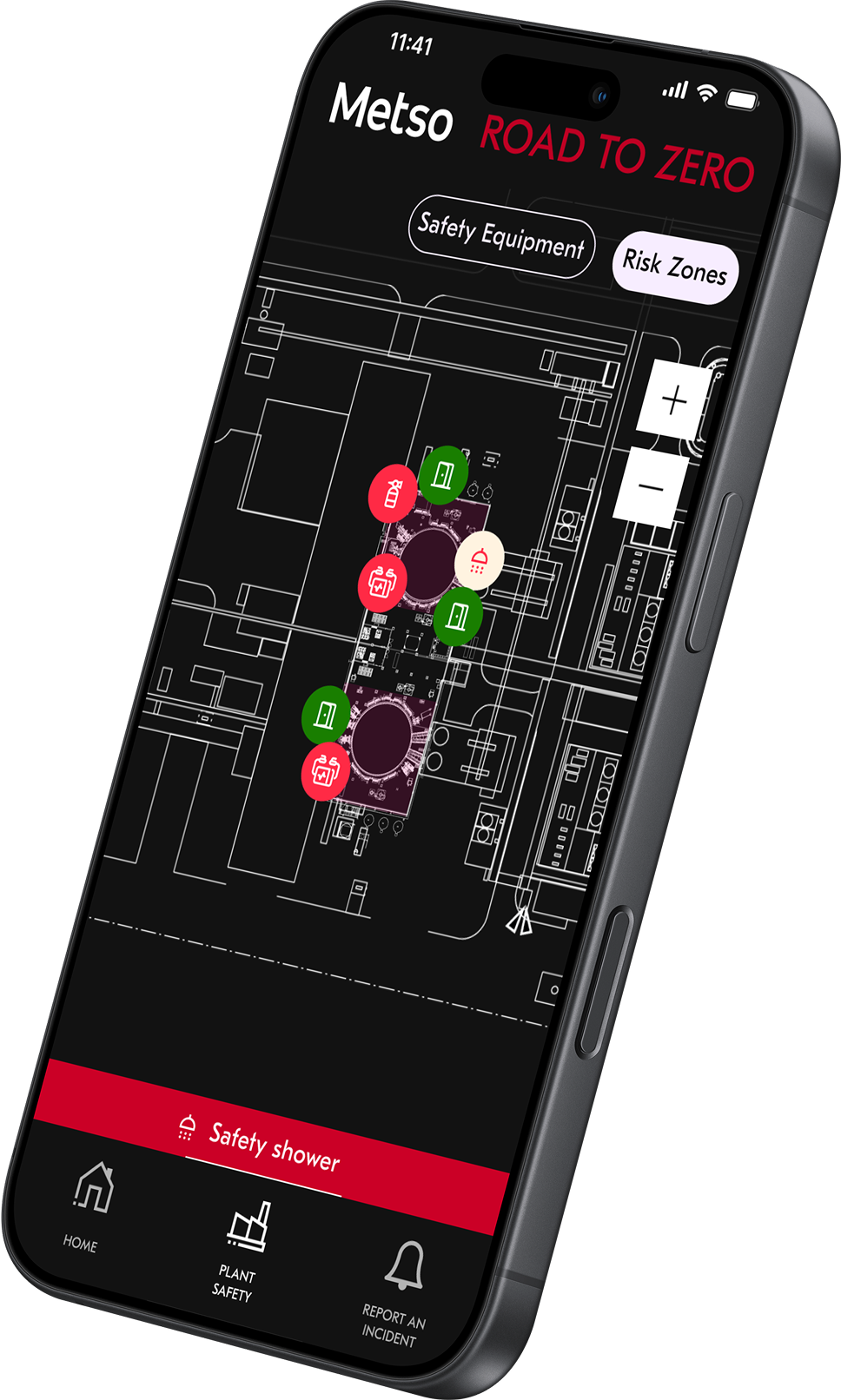
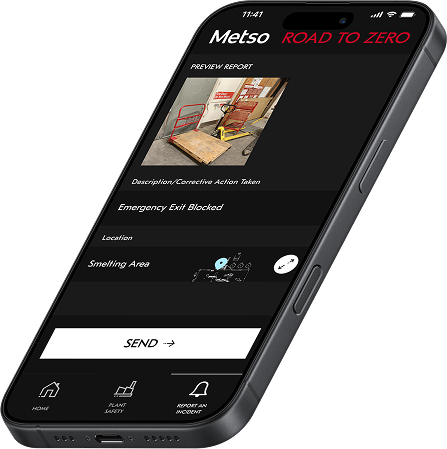
Frontline workers can quickly log safety observations, incidents, and operational conditions directly from the plant floor, as part of their daily work.
Instead of isolated reports, their input becomes part of a shared dataset that combines frontline observations with incident histories and operational data, creating a continuously evolving view of safety.
Safety managers can explore connected data streams, incident histories, root cause analyses, operational conditions, cost data, and frontline observations, to identify patterns, correlations, and emerging risks.
Within the plant context, they can see where and how risk is developing, not just where incidents have occurred.
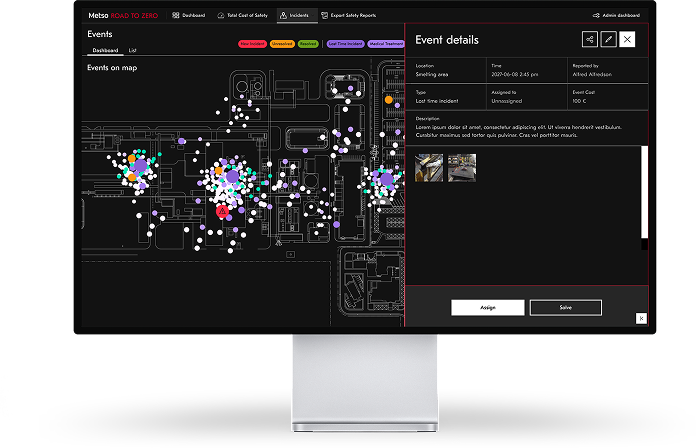
Plant leadership can monitor risk across operations, prioritise preventive actions, and intervene early.
By connecting safety data with business impact, leadership gains visibility into the cost of risk and can make informed decisions that align safety with operational performance.
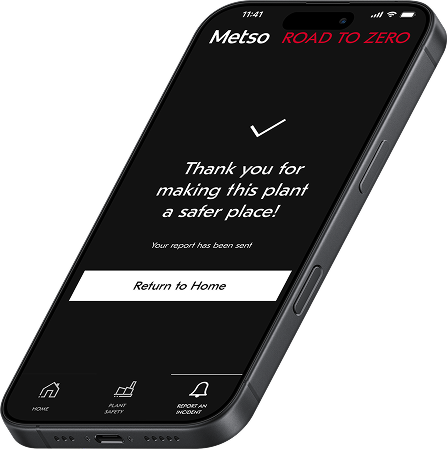
At the core of ROAD TO ZERO is a data model that brings together multiple safety and operational data streams into a single, continuously updated view.
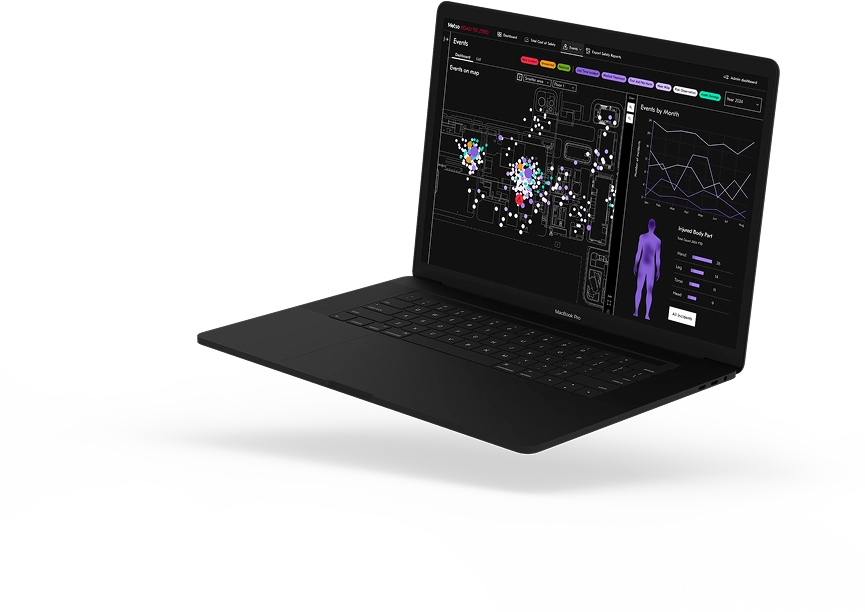
Safety insights are contextualised within the physical layout of the plant, making risk visible in the context of real operations rather than abstract metrics.
Within this shared view, safety data becomes directly actionable. Dashboards and visualisations highlight emerging risk patterns, prioritise areas of concern, and guide teams toward preventive actions.
By linking safety data with operational and economic impact, ROAD TO ZERO enables organisations to evaluate safety decisions with the same clarity as other business-critical metrics.
"What impressed us most is how quickly the platform started generating meaningful safety data.
Observations that previously went unreported are now captured daily, giving us a much clearer picture of emerging risks across the plant."
Early deployments show measurable shifts in how safety is managed in practice. Safety observations are captured more consistently, risk visibility has improved across teams, and organizations are generating richer insight into emerging vulnerabilities and preventive opportunities. Instead of isolated reporting, safety is becoming a shared and continuous operational activity.
"Seeing risks directly on the plant layout makes it much easier to understand what’s happening.”
While ROAD TO ZERO is already being deployed in high-risk industrial environments, its ambition extends far beyond individual sites. The system introduces a new way of understanding and managing safety — one that could be applied across industries where risk is inherent, from mining and metals to energy, manufacturing, and beyond.
By combining predictive risk modelling, real-time collaboration, and economic decision-making, ROAD TO ZERO creates the conditions for a fundamental shift: from managing accidents to systematically preventing them.
The long-term vision is clear: to make zero harm not an aspiration, but the expected standard across hazardous industries.
Mikael JåfsDirector, Digital Technology
Mia NygårdDirector, Minerals QEHS
Pirkka LuukkonenCloud Technical Lead
Salla ErkkiläClient Director, Lead Strategist
Johanna LambergSenior Service Designer
Kalle LamminpääSales Director
Jussi YrttiahoProduct Designer
Mikko LevonmaaCTO
Tero RiipinenDeveloper
Lasse MäkinenDeveloper
Tuomas KujalaDeveloper