Road to

Zero

Redesigning the experience of industrial safety

Problem

Industrial safety is reactive and fragmented

Industrial accidents are often treated as unavoidable side effects of complex operations. Many companies do not even set “zero accident” targets, considering them unrealistic.

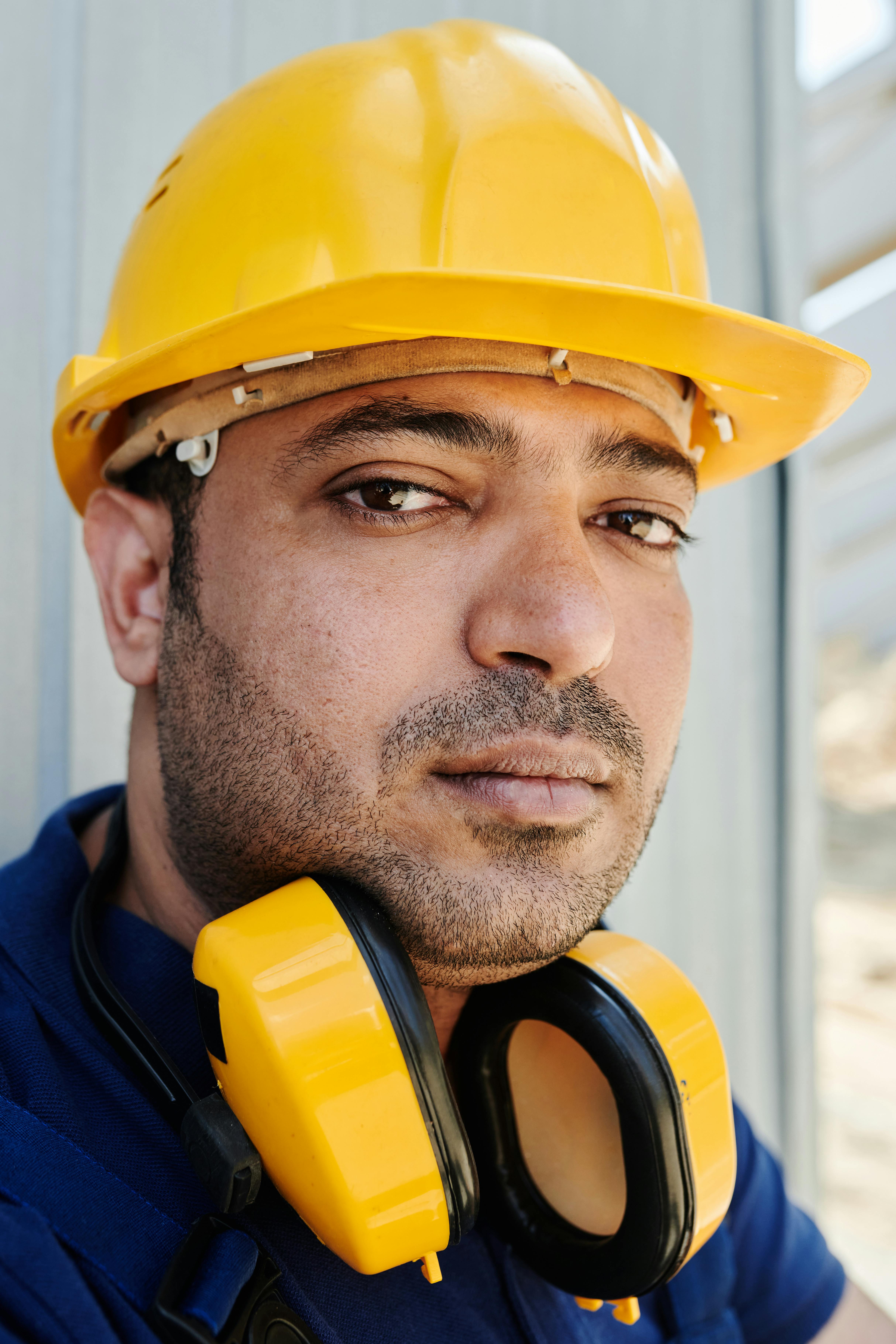
For the people working in these environments, safety is something that is addressed after the fact, rather than something they can actively influence in their daily work.
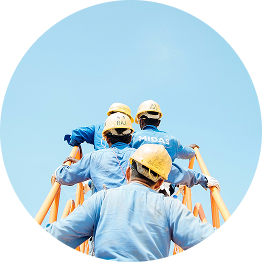
Workers identify risks in their daily work, but don’t have an easy way to share them.


Safety teams analyse scattered reports retrospectively.

Leadership must make decisions based on delayed and incomplete information.

As a result, critical safety insights remain disconnected across systems, formats, and teams, making it difficult to understand what is happening in real time.

Reactive logic has defined industrial safety for decades, even though the consequences are significant.
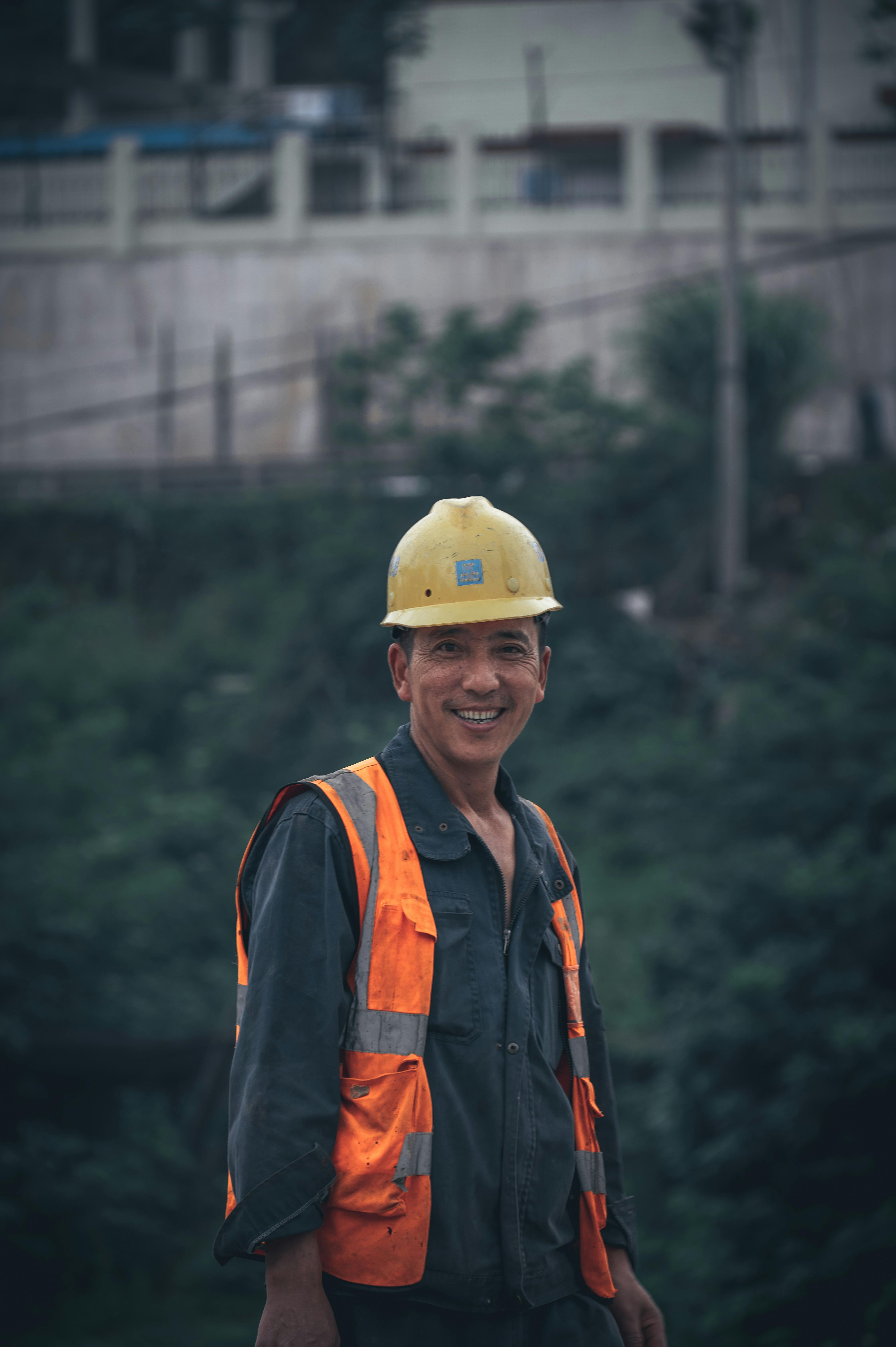
395M
work-related injuries globally every year
40
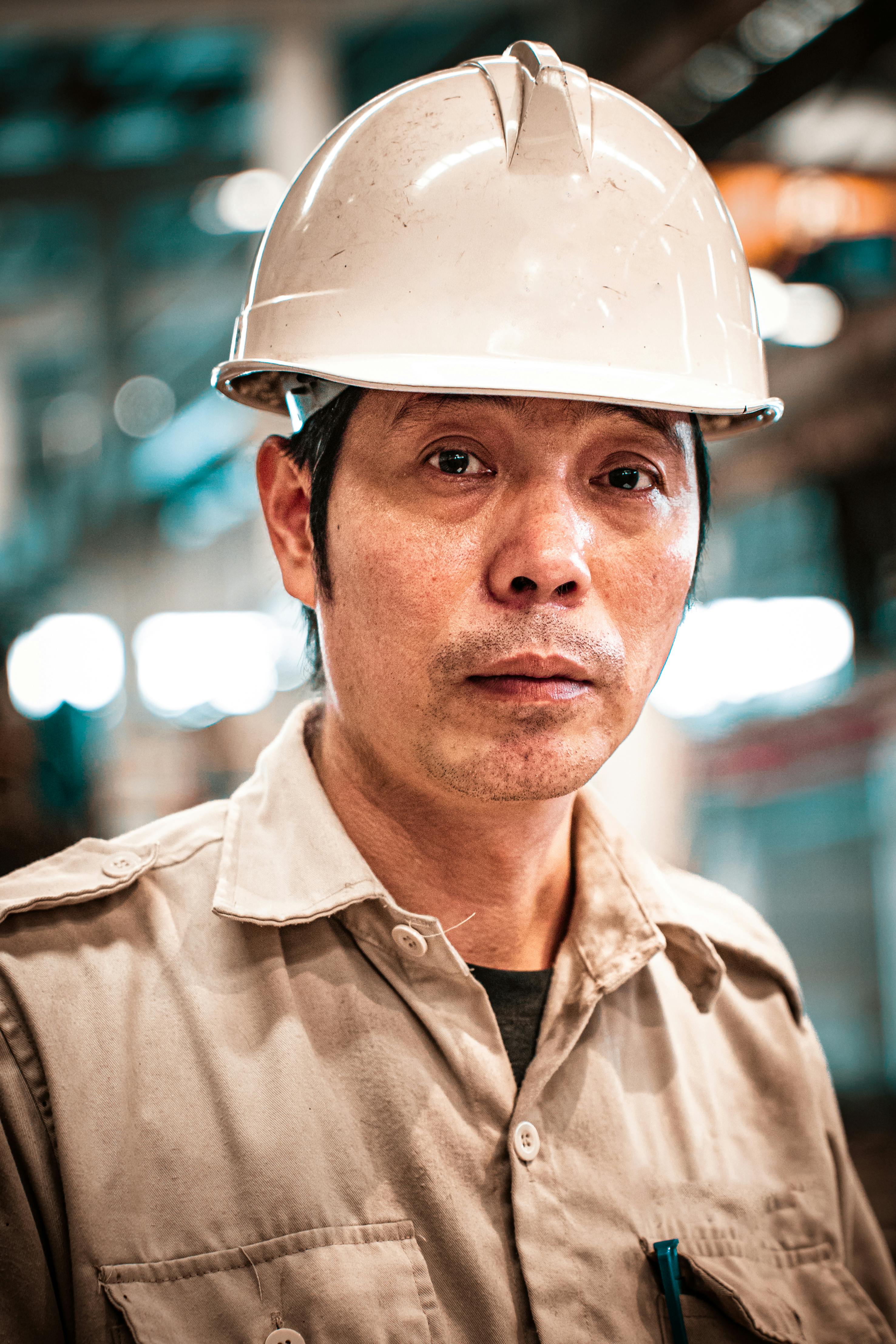
worker fatalities in mining and metals industry at average annually
$8.3B
Annual cost of serious non-fatal workplace injuries in U.S. manufacturing

Shift

What if industrial safety was experienced in real time, as a shared responsibility?

Design

A predictive system for preventing industrial harm

ROAD TO ZERO introduces a shared, real-time safety environment where people across the organisation can see, understand, and act on risk together.

Developed by Metso, a global leader in minerals processing and metals refining, the solution brings safety into the flow of daily operations, empowering especially the frontline workers to contribute on safety in real time.

Safety becomes something teams engage with continuously through everyday observations, shared visibility and clear actions that guide what to do next

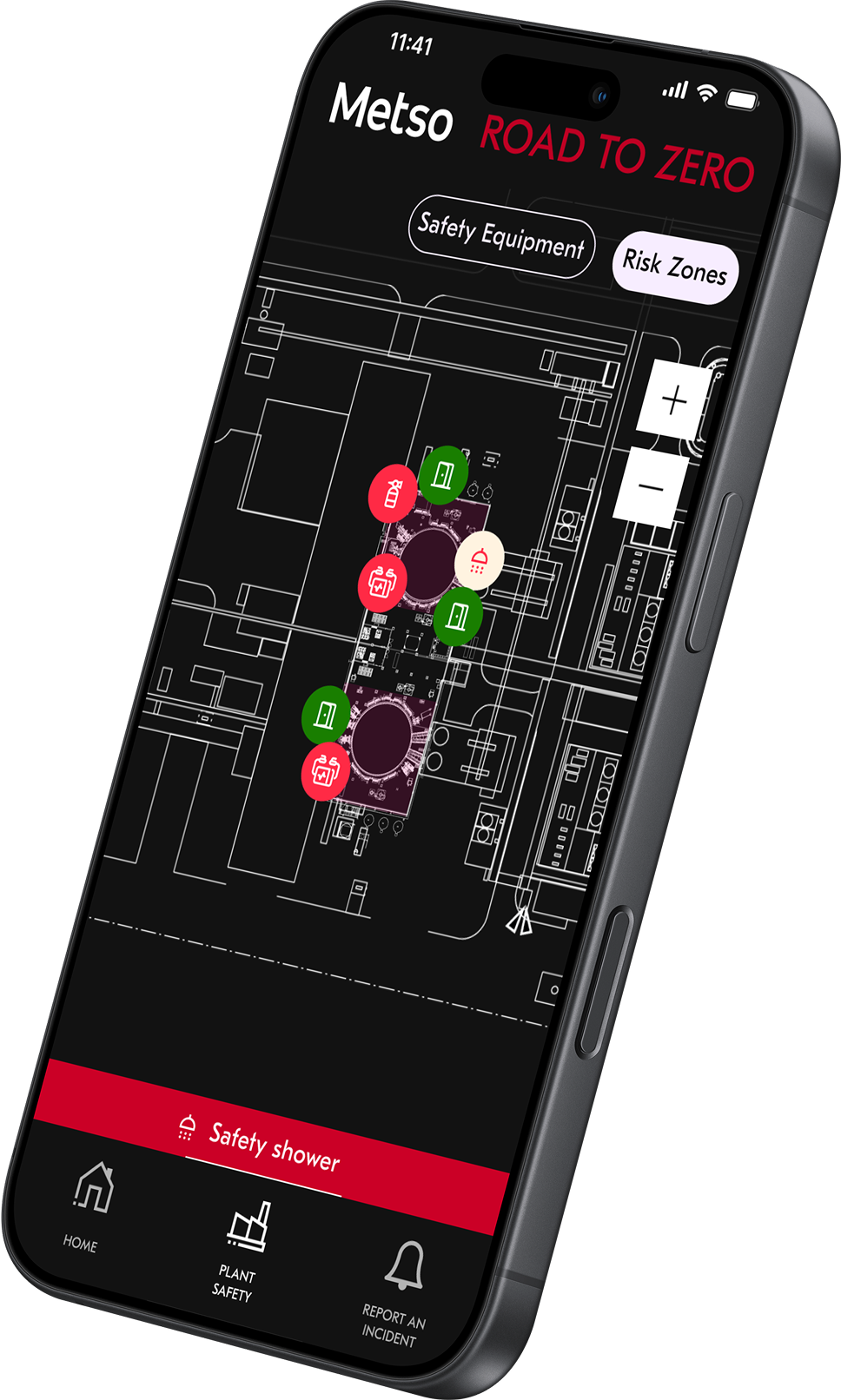
Teams can explore risks in context, understand how they develop, and align on actions across roles.

This shift – from fragmented workflows and delayed response to a shared, actionable experience – enables safety to become part of everyday work, rather than a separate, retrospective process.

How it works

From observation to predictive prevention

1

Capture what's happening

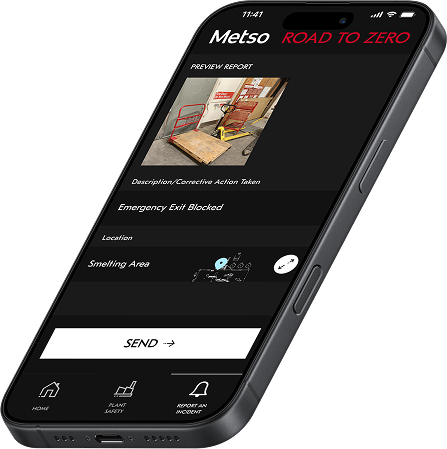
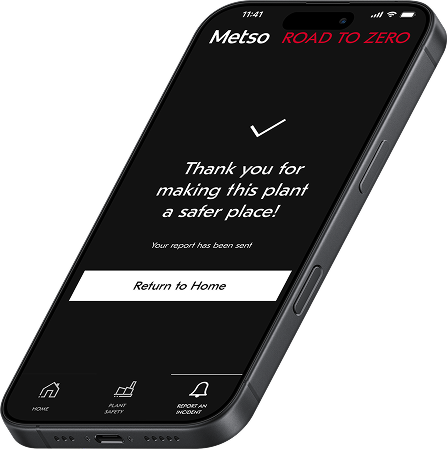
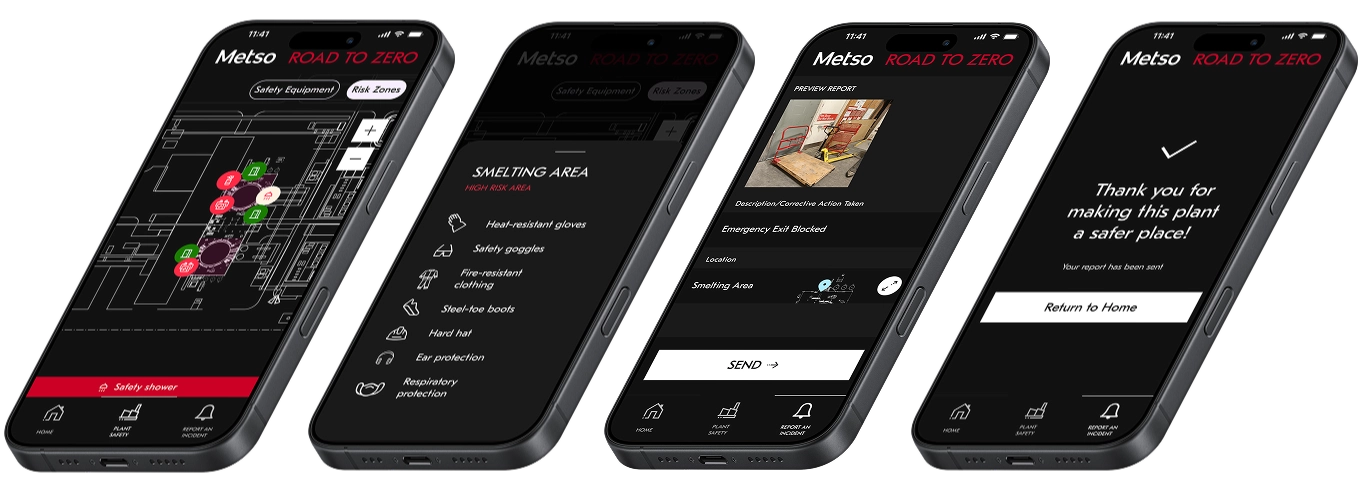
Frontline workers can quickly log safety observations, incidents, and operational conditions directly from the plant floor, as part of their daily work.

Instead of isolated reports, their input becomes part of a shared dataset that combines frontline observations with incident histories and operational data, creating a continuously evolving view of safety.

2

Understand how risk develops

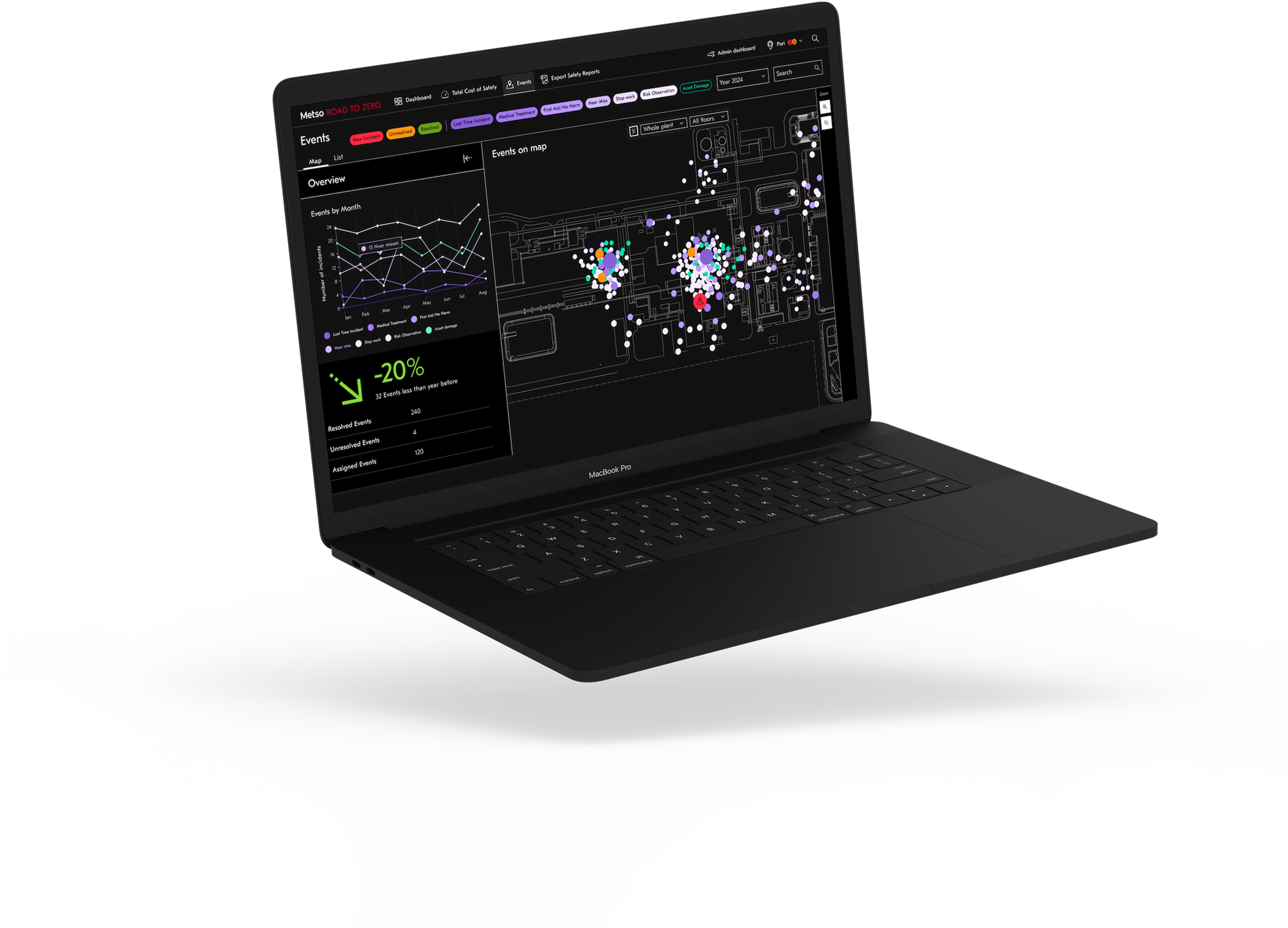
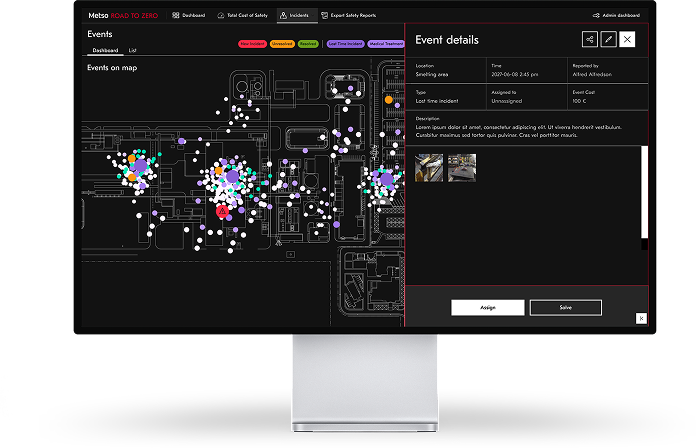
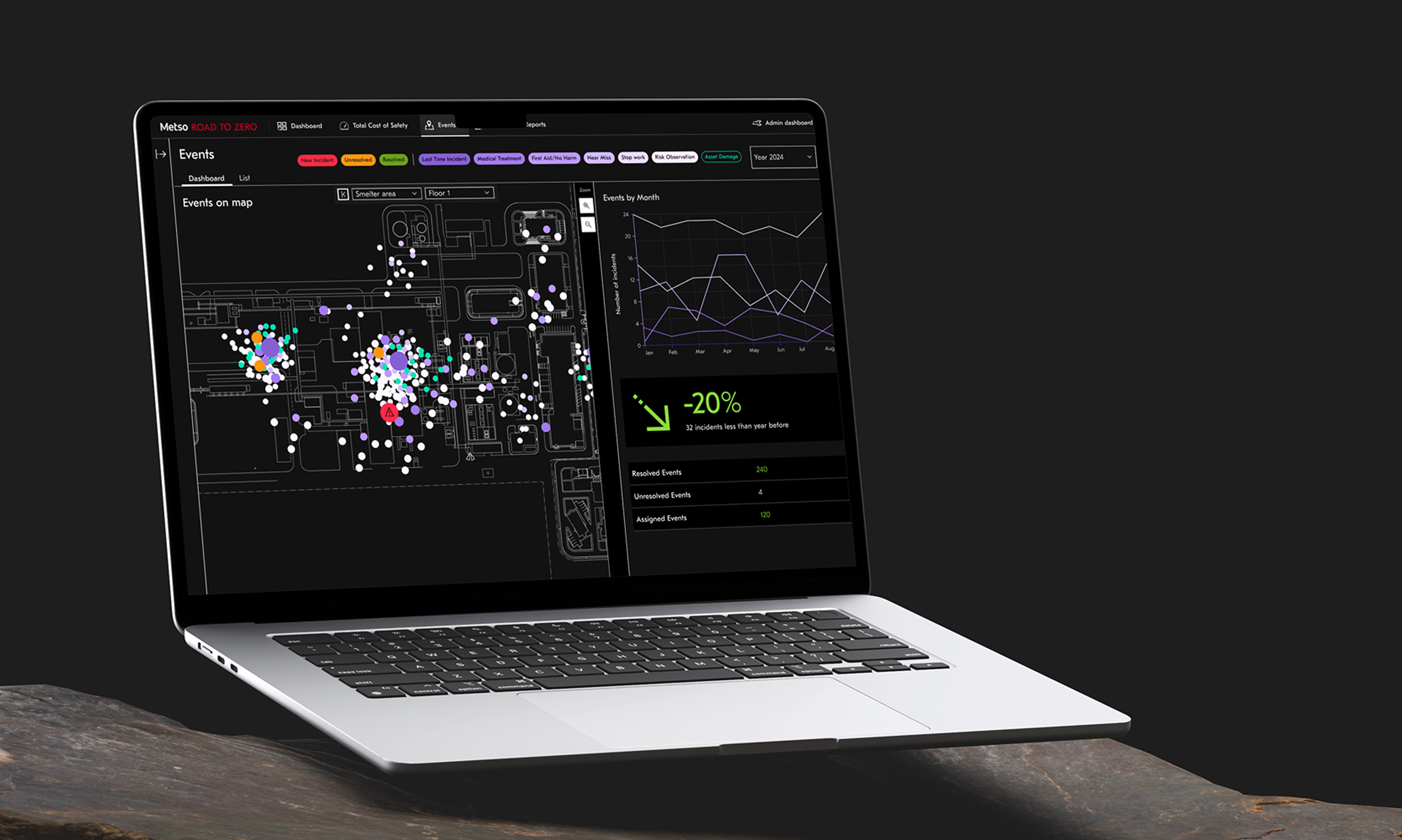
Safety managers can explore connected data streams, incident histories, root cause analyses, operational conditions, cost data, and frontline observations, to identify patterns, correlations, and emerging risks.

Within the plant context, they can see where and how risk is developing, not just where incidents have occurred.

3

Act before incidents occur

Plant leadership can monitor risk across operations, prioritise preventive actions, and intervene early.

By connecting safety data with business impact, leadership gains visibility into the cost of risk and can make informed decisions that align safety with operational performance.

For an injured worker, the consequences often extend far beyond lost workdays, affecting long-term health, daily life, and the wellbeing of their families.

Over the past 12 months, ROAD TO ZERO has moved from an experimental concept to active deployment in industrial environments.

“It’s the first safety system that people actually want to use.

It’s easy, intuitive, and part of how we work every day.”

Plant Operator Pilot site

Proof

Demonstrating real-world impact

5x
pilot sites across global industrial operations
+300%
increase in safety reporting enabling predictive risk detection
$22M+
projected cost avoidance during the first year on one site from proactive risk prevention

Early deployments show measurable shifts in how safety is managed in practice. Safety observations are captured more consistently, risk visibility has improved across teams, and organizations are generating richer insight into emerging vulnerabilities and preventive opportunities. Instead of isolated reporting, safety is becoming a shared and continuous operational activity.

“What impressed us most is how quickly the platform started generating meaningful safety data.

Observations that previously went unreported are now captured daily, giving us a much clearer picture of emerging risks across the plant.”

Safety Manager Piloted Mining Operation in Australia

Future

From pilot to new industry standard

While ROAD TO ZERO is already being deployed in high-risk industrial environments, its ambition extends far beyond individual sites. The system introduces a new way of understanding and managing safety — one that could be applied across industries where risk is inherent, from mining and metals to energy, manufacturing, and beyond.

By combining predictive risk modelling, real-time collaboration, and economic decision-making, ROAD TO ZERO creates the conditions for a fundamental shift: from managing accidents to systematically preventing them.

The long-term vision is clear: to make zero harm not an aspiration, but the expected standard across hazardous industries.

Metso x Hellon

Mikael JåfsDirector, Digital Technology
Mia NygårdDirector, Minerals QEHS
Pirkka LuukkonenCloud Technical Lead

Salla ErkkiläClient Director, Lead Strategist
Johanna LambergSenior Service Designer
Kalle LamminpääSales Director
Jussi YrttiahoProduct Designer
Mikko LevonmaaCTO
Tero RiipinenDeveloper
Lasse MäkinenDeveloper
Tuomas KujalaDeveloper